
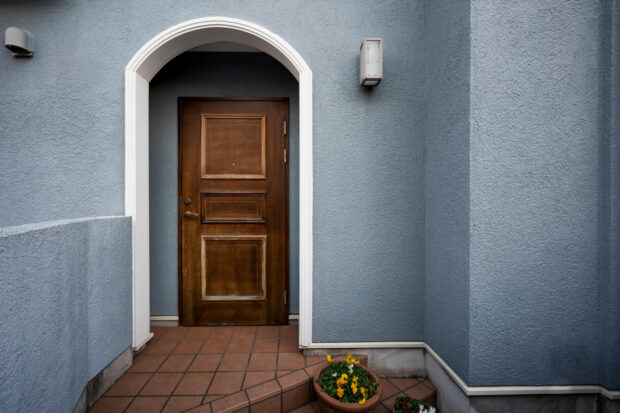
Changing doors in your home is an opportunity to elevate both functionality and visual appeal, whether you’re updating a single room or giving the entire space a fresh look. From materials to security features, each choice contributes to comfort and long-term value. Services offering expert fitting for bifold doors demonstrate how professional installation can ensure smooth operation, proper alignment, and long-lasting performance. Understanding the importance of quality craftsmanship helps you avoid common issues such as drafts, sticking frames, or premature wear. This article explores the key considerations to keep in mind when replacing doors in your home.
Think About the Material That Fits Your Needs
Choosing the right material is the first major decision, since it affects durability, noise control, and overall style. Wooden doors add warmth and elegance, making them a favorite for living rooms and bedrooms. They also offer good sound insulation, which is helpful in busy homes. However, they require occasional maintenance to stay in good shape. Metal doors offer strong security and work well for entry areas, especially for homeowners who want solid protection. Composite doors blend several materials to offer strength and visual appeal with less maintenance. By comparing these options based on your daily routine, climate, and personal taste, you can find a material that works well long-term.
Consider the Style and How It Matches Your Home
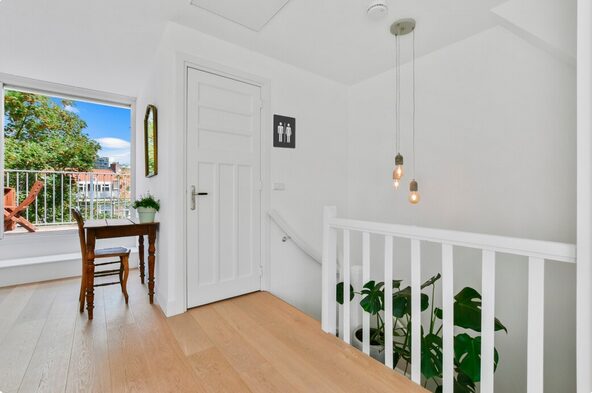
Every home has its own character, so your doors should match both the architecture and interior design. Modern homes look great with clean lines and simple finishes, while older homes pair nicely with classic panel designs. Glass panel doors can brighten darker rooms by letting more light flow through, and they work well in hallways or dining spaces where visibility is helpful. For bedrooms or offices, solid doors often make more sense since they offer better privacy. Choosing styles that complement the rest of your space helps create a unified look that feels natural and inviting.
Think About Door Size and Proper Measurements
A surprisingly common mistake is picking a door before confirming the correct measurements. Even a small mismatch can lead to gaps, awkward fitting, or unnecessary modifications during installation. Before you buy anything, measure the frame carefully and check whether your new door will open comfortably without hitting furniture or walls. If your home has older frames, you might need small adjustments to accommodate modern door sizes. Taking time to measure helps prevent installation surprises and ensures the new door works smoothly from day one.
Pay Attention to Hardware and Finishing Touches
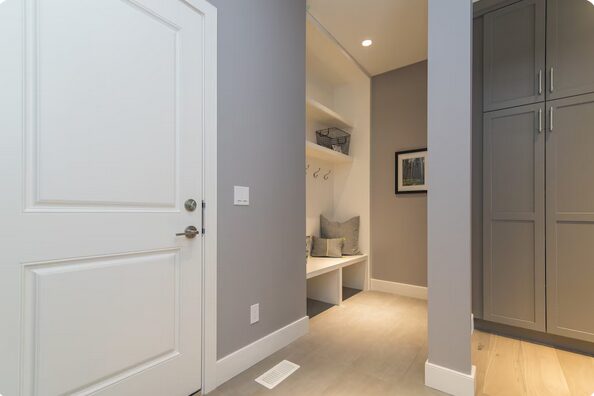
Handles, hinges, and locks might seem like minor details, but they impact how the door feels and functions. A strong lock is especially important for exterior doors since it improves security. Interior doors benefit from quiet hinges and comfortable handles that match your home’s decor. Finishes such as matte, gloss, or natural textures also influence the overall look. These small choices combine to create a polished appearance that completes your upgrade.
Changing the doors in your home is a meaningful update that affects comfort, style, and security. By choosing the right material, matching the design to your decor, confirming accurate measurements, and selecting quality hardware, you set the stage for a smooth upgrade that enhances your living space. Thoughtful choices allow your new doors to blend beautifully with your home while offering long-term reliability. With the right planning, this simple change can transform the feel of your interior and give your home a refreshing new character.…
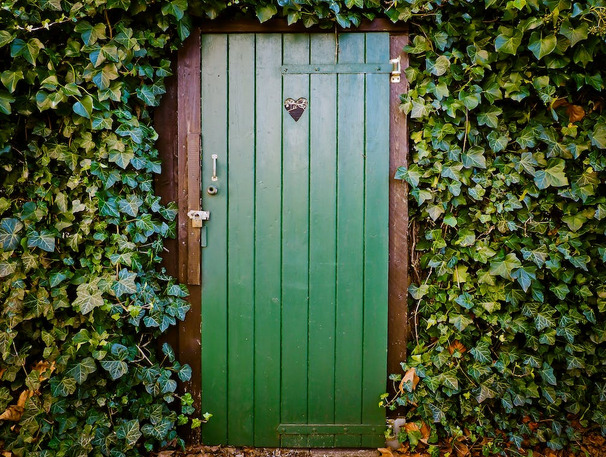
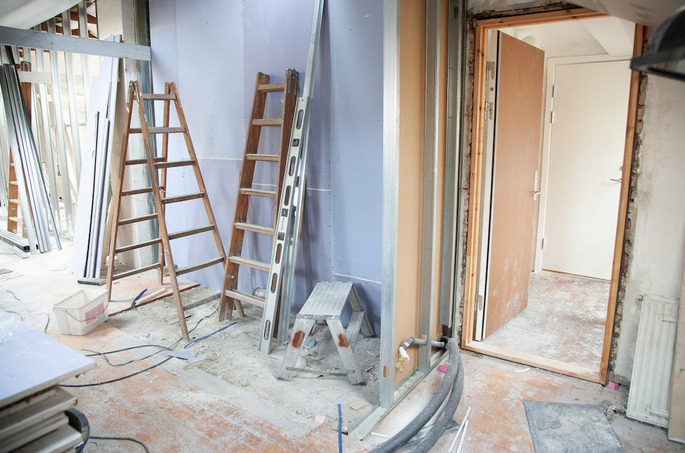 The first tip is to consider the material of the door. Popular materials for doors include wood, metal, and fiberglass. Each option has its advantages and disadvantages, so it’s essential to do your research beforehand. Wood is a classic choice that can bring charm and character to any home. It is strong, durable, and aesthetically pleasing. However, it can require more maintenance than other materials, as it is prone to warping and rotting over time.
 The third tip is to consider the security aspect of your new door. If you’re looking for added protection from burglars, you’ll want to select a door with multiple locking mechanisms and other security features. Metal doors are typically the most secure option due to their strength and heavy-duty construction. But if you prefer the look of a wooden door, some options have extra security features, such as reinforced strike plates and heavy-duty locks. Research the different products available to make sure you are getting the best security for your home.