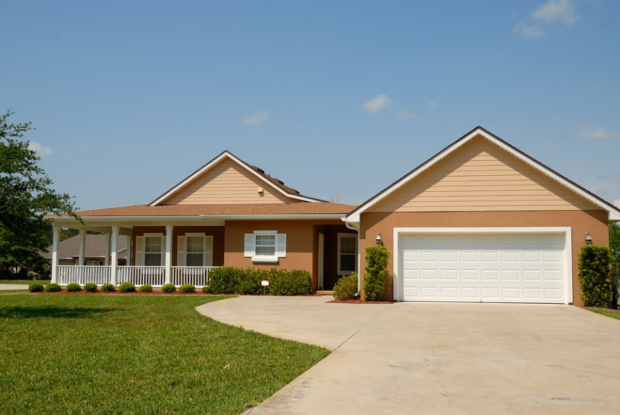
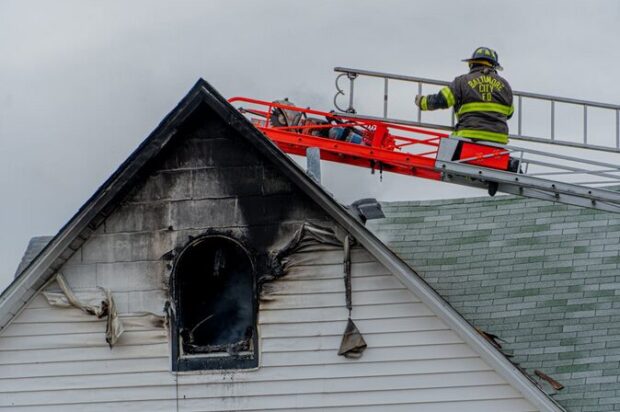
Selling a fire-damaged home is rarely a simple process. Even after the paperwork is signed, the emotional and financial effects linger. Sell a fire damaged house today and you may feel pressured to jump straight into buying another house, thinking it is the most logical next step. But rushing such a major decision can bring challenges. Taking a moment to reflect ensures your next move is thoughtful, not reactionary.
Assessing Your Financial Position
One of the first questions to ask yourself is whether your finances are ready for another purchase. Selling a home with fire damage often means you don’t get the same return as you would from a property in perfect condition. The payout may feel disappointing, and repair costs already taken on might further reduce your resources. Before diving into another mortgage, review your budget carefully. Look at savings, insurance payouts, and the proceeds from the sale to see if buying immediately is realistic.
Considering Emotional Recovery Too
Fire damage isn’t only about structures and dollars. It leaves emotional scars that take time to heal. Walking through a charred home is a reminder of loss, and for many, the stress lingers long after selling. Jumping straight into another home purchase can feel like closing a chapter quickly, but it may also add unnecessary pressure. Giving yourself space to recover emotionally allows you to approach the next property with clarity and confidence.
Considering the Housing Market
The state of the housing market also plays a key role in your decision. If prices are soaring, buying right away may lock you into a higher payment than you are comfortable with. On the other hand, if the market is cooling, waiting could work in your favor. Research trends in your area. Speak with local agents to understand whether now is the right time to buy or whether holding off might save you money in the long run.
Renting as a Strategic Pause

Sometimes, the smartest choice isn’t buying right away but renting for a period instead. Renting provides stability without the immediate commitment of a new mortgage. It also gives you time to explore neighborhoods, evaluate what you truly want in a home, and recover financially. While renting isn’t always ideal for those who prefer ownership, it can serve as a bridge toward a better long-term decision.
Identifying Your Next Home’s Priorities
A fire-damaged home changes how you think about safety and security. When considering your next property, you may want to focus more on features that reduce risk. Updated wiring, modern fire suppression systems, or fire-resistant building materials might move higher on your checklist. This shift in priorities is natural. It reflects the lessons learned from your experience and helps you ensure the new home feels safe for your family.
Ensuring the Right Timing and Life Circumstances
Your personal timeline matters just as much as the housing market. Families with children may want to secure stability quickly, especially if school schedules or job relocations are part of the equation. Others may have the flexibility to wait longer. Reflect on your unique situation and weigh how much urgency you truly face. Sometimes what feels like pressure is just habit. The expectation that buying another house right away is the only path. In reality, you have options.
Making the Decision With Confidence
Whether you buy another home immediately or take time to wait, the key is moving forward with confidence. Avoid letting outside voices rush you into a decision that doesn’t align with your goals or finances. Buying another house is one of life’s biggest commitments, and after selling a fire-damaged property, you deserve the utmost clarity before signing new contracts. Consult with financial advisors, speak openly with family, and only act when you feel ready.
Selling a fire-damaged home is a major milestone. The question of whether to buy another property right away has no single right answer. It depends on your financial readiness, emotional state, market conditions, and personal needs. For some, purchasing immediately offers peace of mind and stability. For others, waiting provides the breathing room to recover and plan better. What matters most is recognizing that the choice is yours, and thoughtful timing will always serve you better than rushing.…













 Foam insulation is the most expensive type of home insulation, but it has a lot of features that make it worth the cost. Foam insulation can provide an airtight seal, effectively blocking out dust and allergens. It’s also resistant to water and moisture, making it ideal for areas with high humidity or moisture.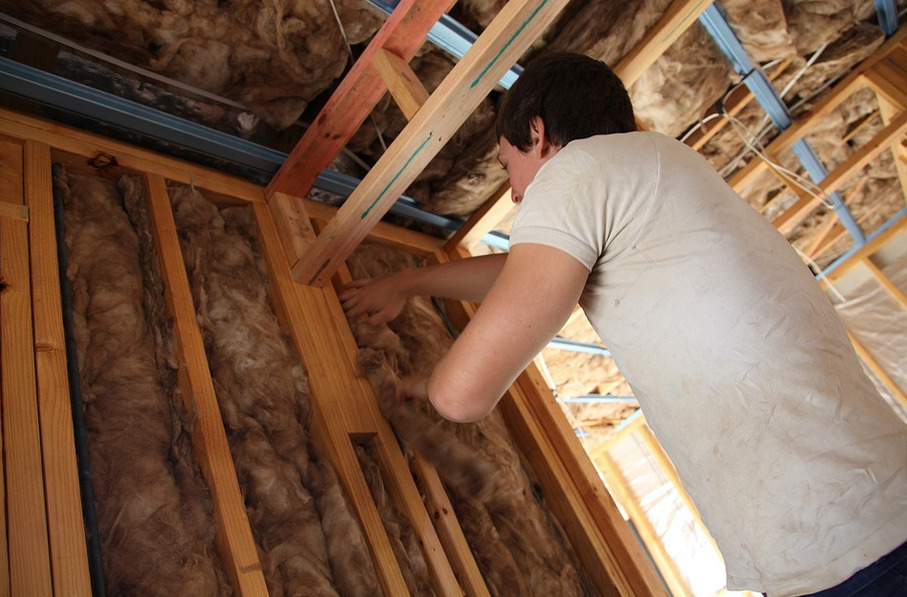


 When it comes to packing, labeling is key. Label all the boxes according to what they contain and in which room they belong. This will help make unpacking much easier since you’ll know exactly where to put each box. It’s also a great way to ensure nothing gets lost in the move. Note that you should also label any boxes that are fragile to avoid any potential damage during the move.
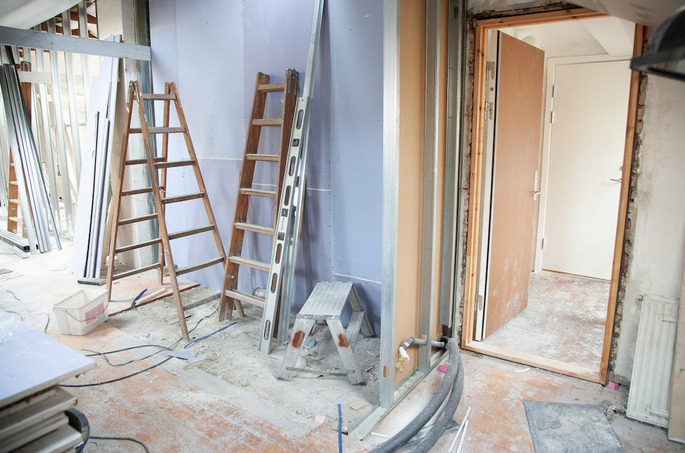 The first tip is to consider the material of the door. Popular materials for doors include wood, metal, and fiberglass. Each option has its advantages and disadvantages, so it’s essential to do your research beforehand. Wood is a classic choice that can bring charm and character to any home. It is strong, durable, and aesthetically pleasing. However, it can require more maintenance than other materials, as it is prone to warping and rotting over time.
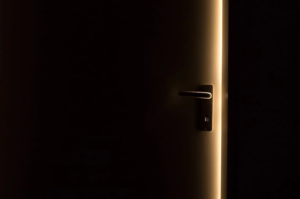 The third tip is to consider the security aspect of your new door. If you’re looking for added protection from burglars, you’ll want to select a door with multiple locking mechanisms and other security features. Metal doors are typically the most secure option due to their strength and heavy-duty construction. But if you prefer the look of a wooden door, some options have extra security features, such as reinforced strike plates and heavy-duty locks. Research the different products available to make sure you are getting the best security for your home.

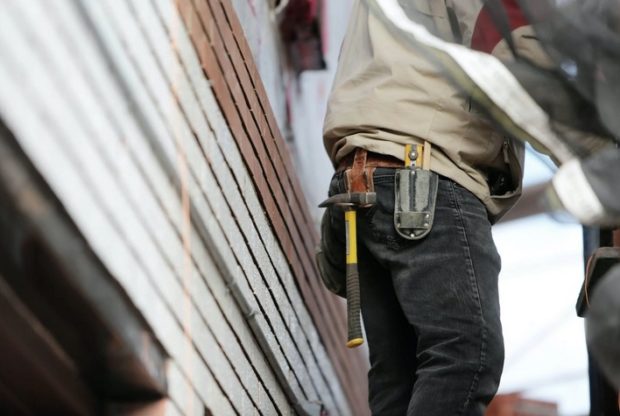
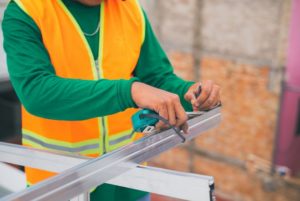 When choosing a roofing contractor, it is essential to ask about their manufacturer certifications. A good contractor will have several different certifications from leading manufacturers.
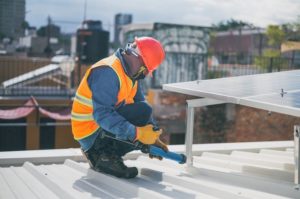 Before hiring a roofing contractor, be sure to ask about their safety protocols. This is an essential factor, especially if you have children or pets who spend time around the house. You want to make sure that the contractor has procedures to keep everyone safe during the installation process.
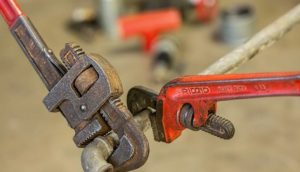 The operating license of a plumbing contractor is one of the first things to look into before employing them. The permit must be issued by a recognized body of authority to avoid deception. If you live in a state that does not offer or require plumber licensure, try obtaining testimonials and reviews from previous customers.