
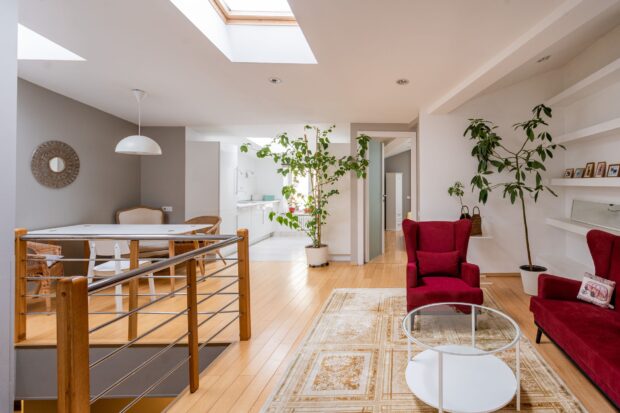
A beautiful home can be lovely to look at, but the best homes also make everyday life feel a little easier. Where you put your shoes, where you keep your coffee mugs, and even where you charge your phone can influence how smoothly your day goes. Home design is often discussed in terms of colors, furniture, trends, and decoration. Yet there is another side that deserves just as much attention: the way a home supports the routines that happen inside it. When your home works with your habits instead of against them, ordinary tasks can become simpler and less frustrating.
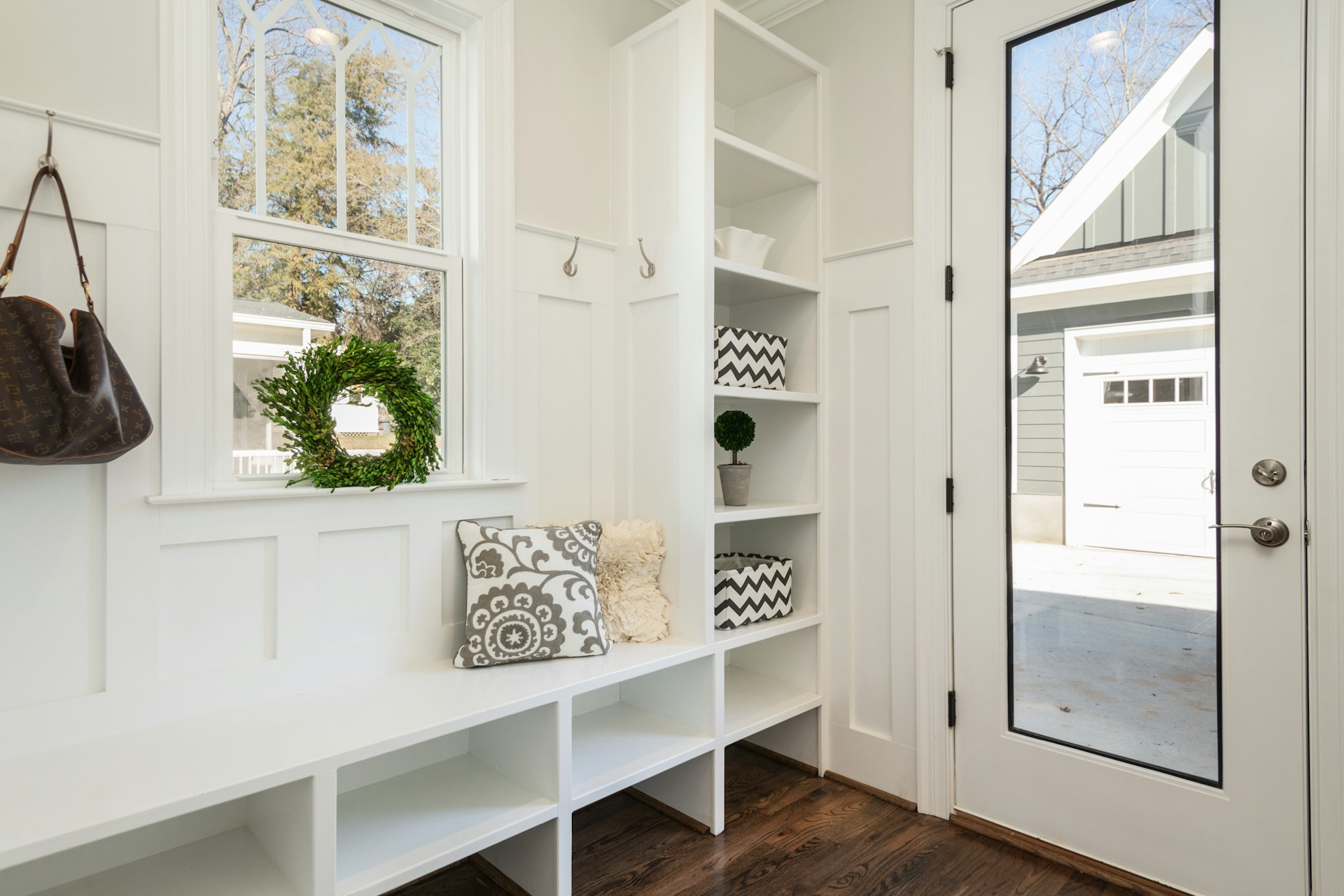
The Entrance Sets the Tone
The entrance is one of the first places you interact with every day, but it is often treated as an afterthought. A poorly organized entrance can leave shoes, bags, keys, and jackets scattered around the house. A well-designed entryway gives frequently used items a natural home. A small bench, hooks, a basket, or a narrow console can make a surprising difference. Instead of creating extra work, the space helps you transition smoothly between outside and inside.
Kitchen Design Shapes Mealtimes
The kitchen has a direct relationship with daily routines because so many activities happen there. Preparing breakfast, making coffee, packing lunches, and cleaning up all depend on how easily you can move between different areas. Keeping frequently used items close to where they are needed can reduce unnecessary movement. Cups near the coffee maker, cooking utensils near the stove, and everyday dishes within easy reach can make the kitchen feel more intuitive.
Bedroom Layout Affects Your Mornings
Your bedroom can either help you start the day calmly or make mornings feel unnecessarily chaotic. Furniture placement, lighting, clothing storage, and access to everyday items all contribute to the experience. A clear path around the bed, accessible clothing storage, and a convenient place for essentials can make getting ready easier. Even the position of your curtains can matter if you prefer waking up with natural light rather than reaching for an alarm immediately.
Bathrooms Need Routine-Friendly Design
A bathroom may be one of the smallest rooms in the home, but it supports several important routines every day. If everyday products are difficult to reach or there is nowhere to place clean towels, the room can quickly become frustrating. Storage should reflect what you actually use. Everyday toiletries can stay within easy reach, while less frequently used products can be stored elsewhere. A simple setup can make the morning and evening routines feel much more organized.
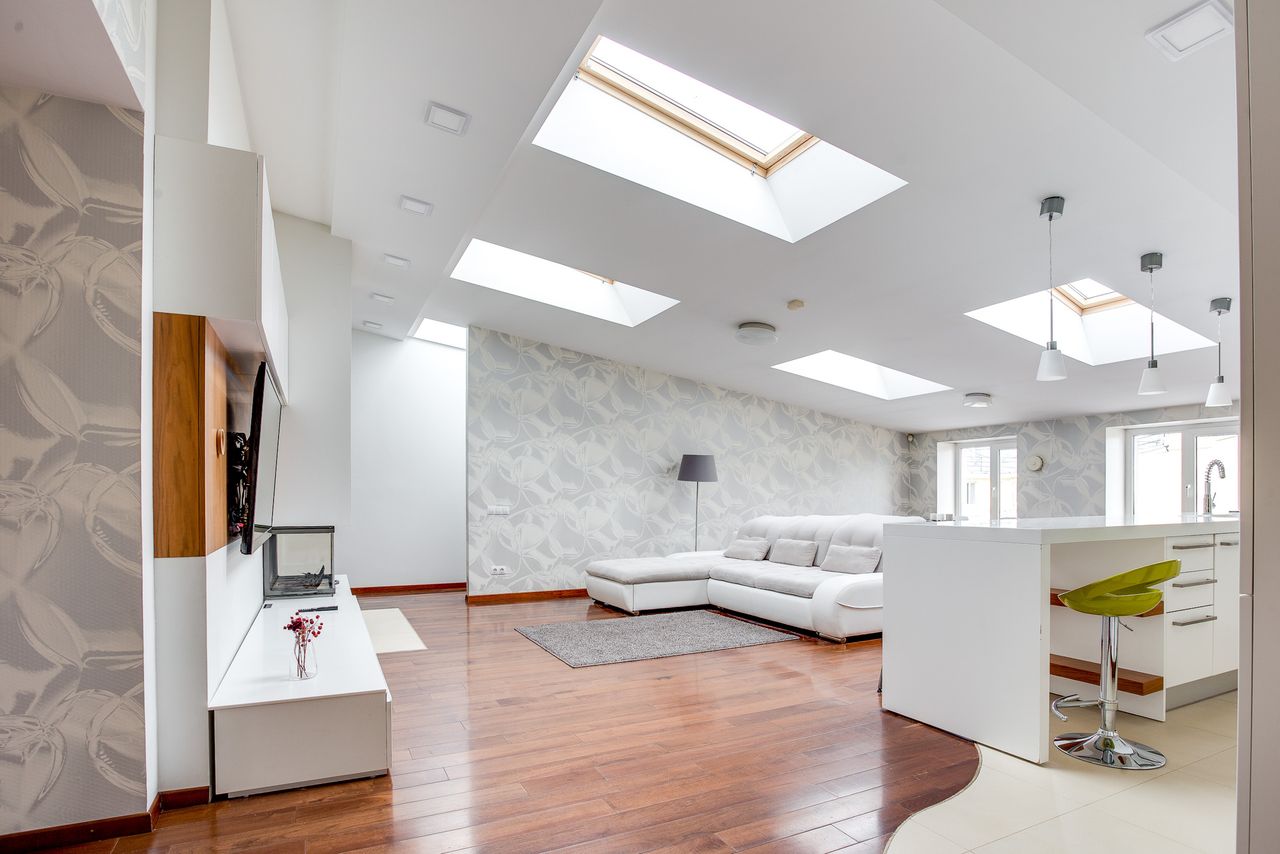
Furniture Should Support Real Life
Furniture placement should reflect how people actually use a room, not simply how the room looks in a photograph. A sofa facing the wrong direction can make conversations awkward, while a coffee table placed too far away can become more decorative than useful. Think about the activities that happen most often in each space. If people regularly gather to talk, arrange seating accordingly. If you enjoy reading in the evening, make sure there is a comfortable chair and suitable lighting in a convenient location.
Storage Can Follow Your Habits
Storage works best when it matches the way you naturally use your belongings. If you always drop your keys in the same place, creating a designated spot there is more useful than choosing storage based purely on appearance. The same idea applies throughout the home. Items used together should ideally be stored together. When storage follows your routines, putting things away becomes easier because you do not have to think about where everything belongs.
Lighting Can Change Your Daily Rhythm
Lighting is another important part of routine-friendly design. Bright lighting can help you feel alert during the morning and while completing tasks, while softer lighting can create a calmer atmosphere later in the day. Instead of relying on one ceiling light, consider using several light sources throughout a room. Table lamps, floor lamps, under-cabinet lighting, and natural light can give you more control over the mood and function of each space.
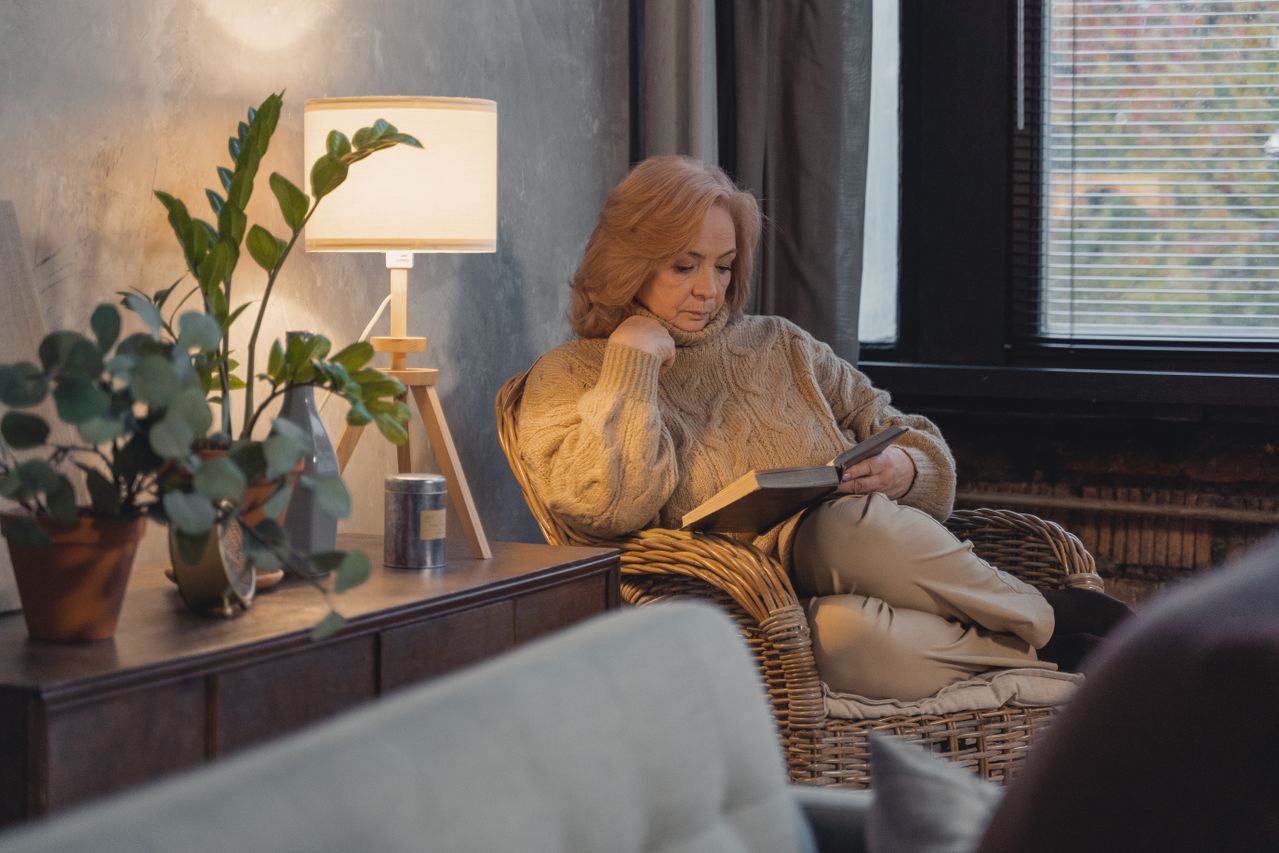
Create Places for Pausing
Not every part of your home needs to be designed around productivity. Having a comfortable place to sit with a cup of tea, read a few pages, or look out of a window can be just as valuable. A small chair near a window or a quiet corner in the living room can create a natural pause in a busy day. These spaces remind us that a home is not simply a collection of rooms for completing tasks. It is also a place to rest.
Good home design is not only about creating rooms that look attractive. It is about creating spaces that understand the way you live. When furniture, storage, lighting, and room layouts support your everyday routines, the entire home can feel more natural and comfortable. Sometimes the most meaningful design improvements are the ones that make ordinary moments just a little easier.…